Speaking

Your team wins the technical evaluation.
Then the deal dies.

Most sales and presales talks teach better demos and sharper questions. That is not where deals die. Deals die after the technical win, in the gap between "they loved it" and a signature that never comes. I show rooms that gap, and why the people in it usually cannot see it.

Check availability
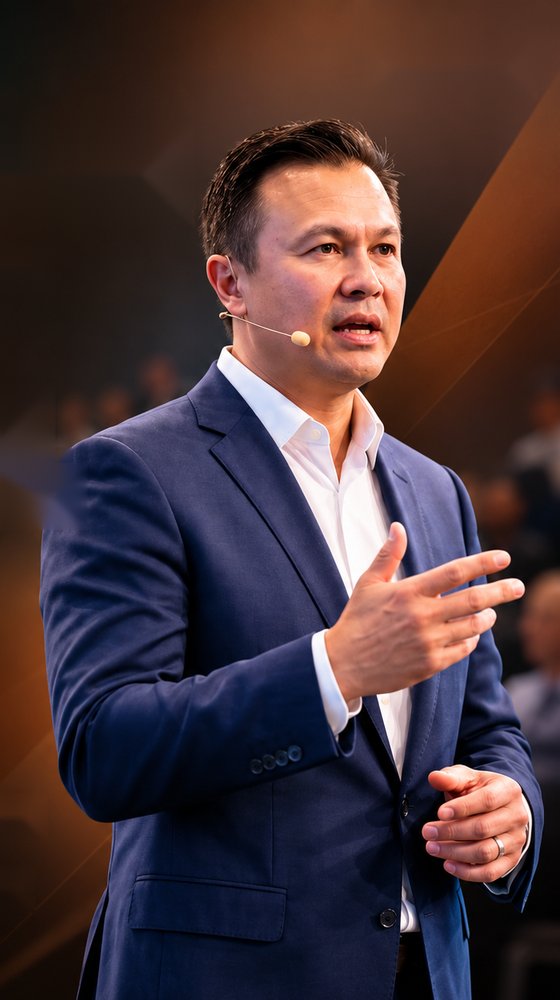
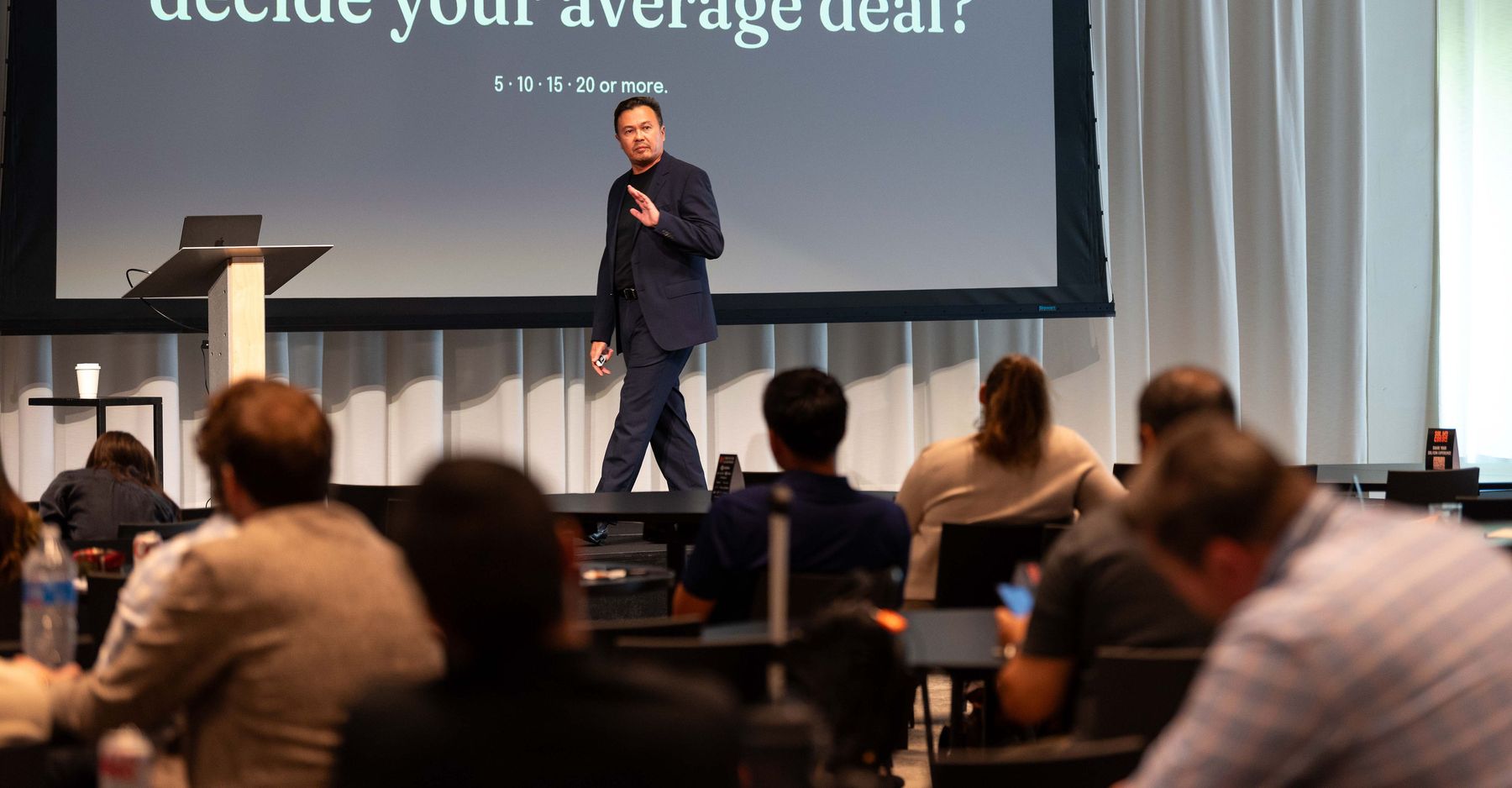
Dmitri Lee speaking on stage

One thesis. Four doors.

Every talk enters through a different problem your organization already has. Every talk lands in the same place: the deals are not dying from a skills gap. They are dying from a system gap, and you cannot train your way out of a system problem.

Why Deals Don't Close the Way We Expect

The five signals a deal is already dead while the CRM still shows green. Why seeing them and catching them are different problems, and what that difference costs a forecast.

AI Makes Your Team Faster. It Does Not Make Your Deals Real.

AI is absorbing the visible work of presales. Demos, RFPs, research, follow-ups, prep. That work was never the constraint. Activity was always cheap, and AI just made it free. What AI cannot do is judgment: knowing which deals are real, hearing the quiet no, deciding when to force a decision. The teams winning with AI are not the ones automating the most. They are the ones spending the reclaimed hours on the work that decides deals.

Your Biggest Competitor Doesn't Have a Logo

Nearly half of qualified pipeline is lost to no decision, not to a competitor. Yet the whole go-to-market machine is built to beat competitors: battlecards, feature comparisons, win-loss reviews. Meanwhile the deal dies in a room you were never in, when the case for change fails to survive the buyer's internal conversation. This talk is about building deals that survive the room without you.

Your Forecast Is Not a Math Problem. It Is a Truth Problem.

Every quarter the forecast gets rebuilt, rescrubbed, and recommitted, and every quarter it misses. The instinct is to tighten the process, add inspection, sharpen the stage definitions. But a forecast is only as honest as the deals underneath it, and most deals marked strong are strong in one person's head and nowhere else. Green means somebody has a good feeling. One team I worked with was forecasting at 45 percent accuracy. Two quarters later it was 78, same headcount, same product. Nothing changed except what counted as a real deal. This talk is for leaders who own a number they cannot fully see: what a forecast actually measures, why slipped deals are a deal quality problem rather than a discipline problem, and the half of the picture that never reaches a report. The weak deal killed in week two before it burned a quarter of capacity. The miss caught while there was still time to act. The rescue that was never needed.

40 to 60% of qualified B2B deals are lost to no decision, not to a competitor.
Source: The JOLT Effect, 2022, based on 2.5 million sales calls.

Three ways to bring this to your room.

Sales Kickoff Keynote

Start the year seeing the same gap.

Built for mixed rooms of AEs, SEs, and leadership. The whole revenue team leaves with one shared picture of where deals actually die.

Conference Keynote

A main-stage session for revenue events.

For presales and revenue conferences. Sized for the big room, built to hold it.

Leadership Offsite or Team Session

Smaller room. Your own deals.

More discussion, less stage. For teams ready to look at their own pipeline, not just the example.

Built for the rooms where revenue gets decided.

  • Sales and presales organizations
  • SKO audiences of mixed AE, SE, and leadership
  • Presales and revenue conferences

Not inspiration. A different lens.

  • A shared picture of where deals actually die
  • Signals the CRM does not track and the team can start catching
  • The case for fixing the system, not just the skills

Booking January SKOs now.

SKO speakers for January get booked between August and November. If you're building a kickoff and want the room to leave understanding why deals die after the win, let's talk.